
How do porta potties work?
The unit is a self-contained box, about 44 by 48 inches on the ground and 92 inches tall. Underneath the seat sits the holding tank, pre-filled with water and a blue chemical treatment that suppresses odor and starts breaking down waste. There's no flush, no water line, nothing to hook up. You use it, close the lid, done. When Ames Porta Pros delivers a unit, it needs about 60 feet of straight clearance behind the truck for a roll-off style setup, though most standard toilets deliver on a smaller trailer. A vent stack pulls odor up and out above head height instead of trapping it inside. For jobs with a crew, OSHA 1926.51(c) sets the baseline: one toilet for 20 workers or fewer on a construction site, scaling up from there. That's why a construction worker running to a porta potty on a job site in Ames usually finds one within a short walk, not a hike across the lot. Service crews pump the tank, refill the chemical, restock paper and wipe the unit down on a set interval, commonly once a week per ANSI/PSAI Z4.3 guidance for lighter-use sites. Heavier events call for more frequent visits, which is where a rental checklist helps you plan ahead instead of guessing.
How do flushable porta potties work?
A deluxe flushable unit uses a freshwater tank and a small pump to rinse the bowl after each use, instead of relying only on the chemical soup below. The waste still drops into a holding tank, same idea as a standard unit, but the pump pushes a measured amount of water through to clear the bowl, which cuts down on buildup and smell between services. Some deluxe models add a foot pump, others run on a battery-powered flush button. Either way, the tank still needs pumping on schedule, same as any other unit; flushing doesn't send waste anywhere except into that same sealed compartment. These units cost more to rent than a standard toilet, which makes sense given the added plumbing inside. If you're staging one for a wedding or a corporate event, pair it with a portable sink rental so guests have somewhere to wash up, since the toilet itself doesn't include handwashing. For bigger gatherings, a full restroom trailer rental bundles flushable stalls and sinks into one unit, which scales better past a hundred guests.
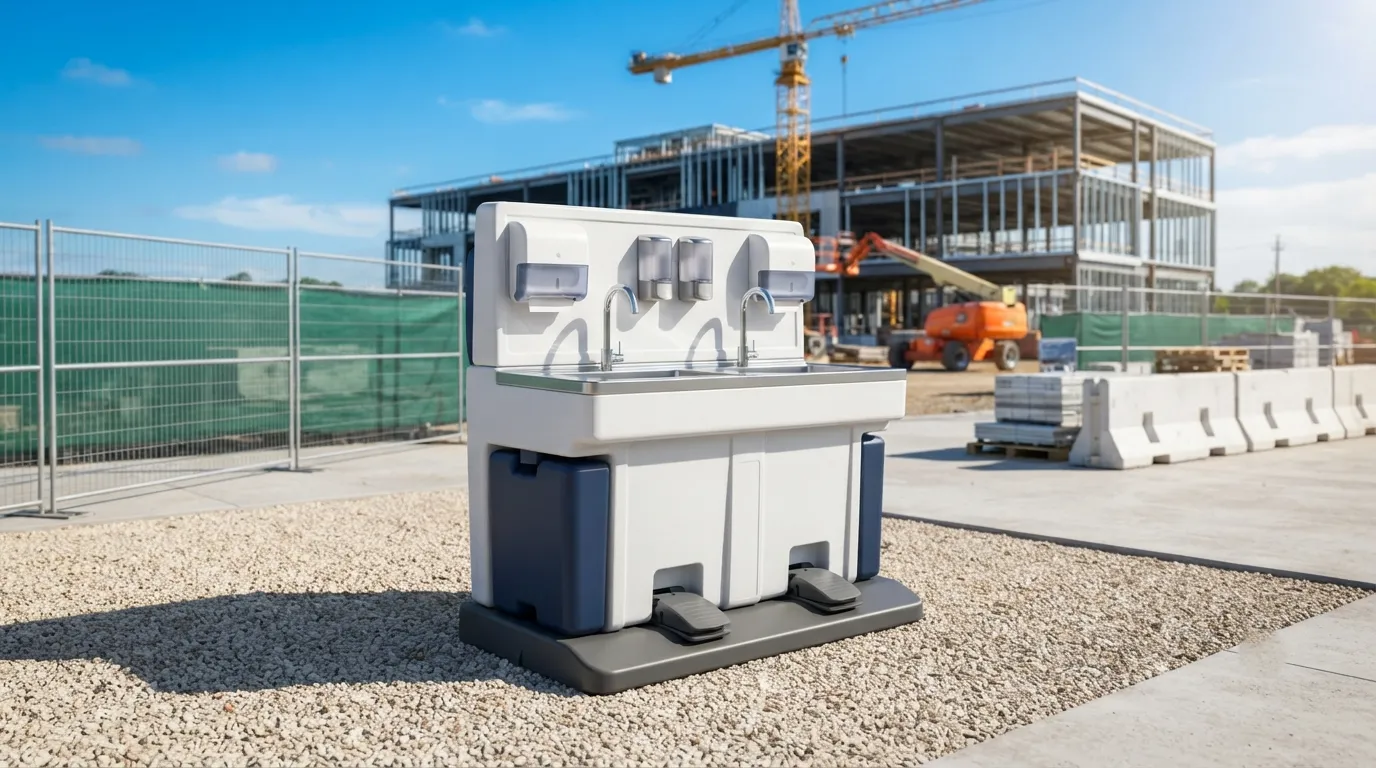
How does a portable sink work?
A portable sink carries its own fresh water in an internal tank, usually gravity-fed or foot-pump operated, and drains into a separate gray water tank underneath. No hose bib needed, no sewer connection. Soap is built into most units, satisfying the intent behind 29 CFR 1910.141(d)(2), which requires soap and a towel or air dryer at washing stations, not sanitizer alone. That standard applies to fixed workplaces, but it's a good bar for any job site or event in Ames. If your crew is doing painting, coating, herbicide or pesticide work, OSHA 1926.51(f)(1) kicks in specifically for those contaminant exposures and calls for washing facilities beyond a hand sanitizer station. A basic hand sanitizer station is fine for foot traffic at a fair or market, but it doesn't substitute for soap and water where the regulation requires it. Farms doing hand labor fall under a related rule, OSHA 1928.110, which calls for a facility within a quarter mile walk of the workers.
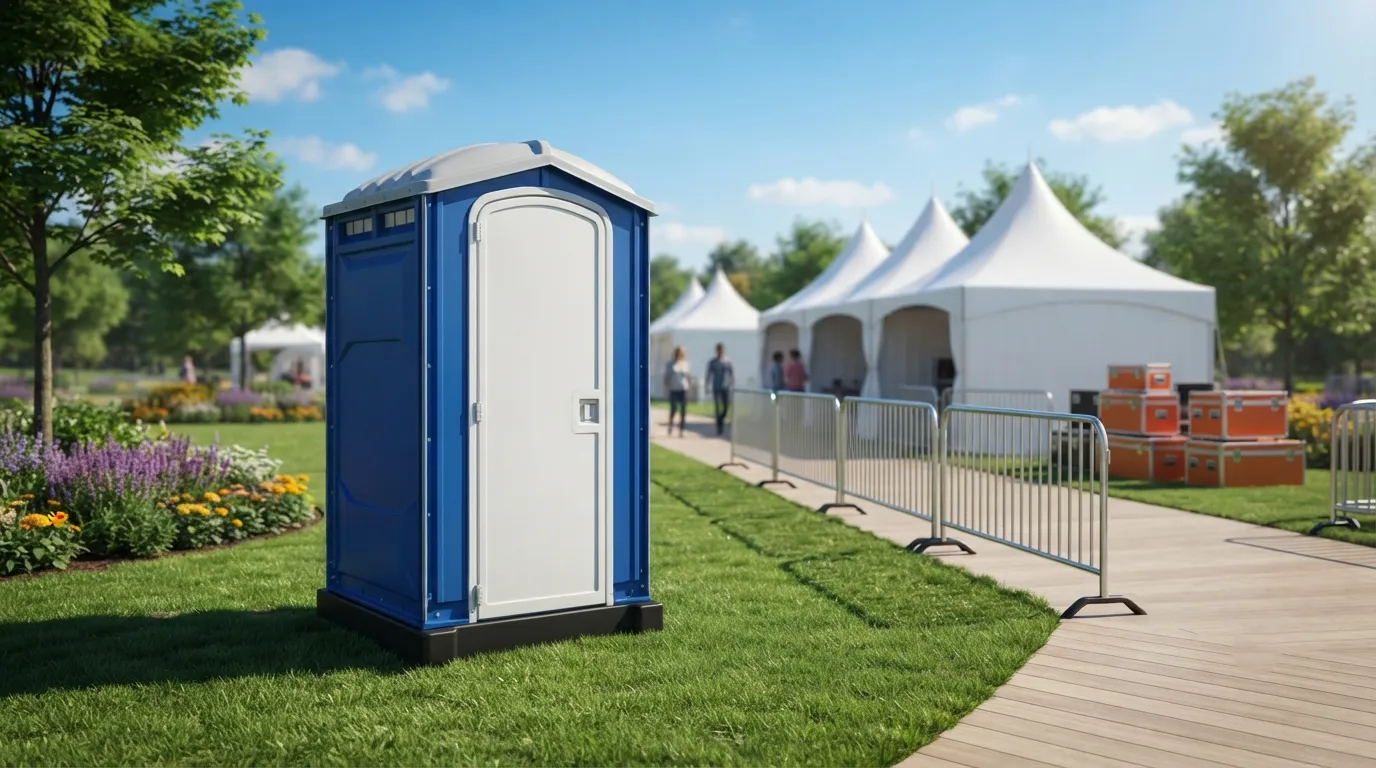
How do camping porta potties work?
Camping units work the same way as job-site units: sealed tank, chemical treatment, no water hookup. The difference is mostly placement and service frequency. Campgrounds and remote sites near Ames, including areas close to Gilbert 7.0 miles north or Nevada 9.7 miles east, often need units serviced less often since foot traffic is lighter than a construction site. Cold weather changes things too. In freezing temperatures, the chemical mix has to be adjusted to keep it from solidifying, which is covered in more detail on the porta potty in winter page. If you're hosting an outdoor event, check the event restroom or festival restroom guides for unit counts based on expected headcount and duration.
What does it cost to rent one in Ames?
| Unit | Day | Week | Month |
|---|---|---|---|
| Standard | $100 - $350 | $130 - $500 | $125 - $325 |
| ADA accessible | $200 - $400 | -- | -- |
| Deluxe flushable | $85 - $1200 | $150 - $290 | -- |
Delivery typically runs $100 to $500 depending on distance and timing. For a full cost breakdown by duration, see porta potty rental cost, per day pricing, or monthly rental rates.
Is a hand sanitizer station enough for handwashing?
Not always. Sanitizer stations work for general foot traffic at fairs or markets, but 29 CFR 1910.141(d)(2) requires actual soap and towels at washing facilities. If your crew handles paints, coatings or pesticides, OSHA 1926.51(f)(1) applies specifically and sanitizer alone won't cover it.
How often does a porta potty get pumped?
Most standard units on a job site get serviced weekly, based on ANSI/PSAI Z4.3 guidance for typical use. High-traffic events need more frequent pumping. Your service plan should match expected headcount, not just calendar days.
Do porta potties need an ADA-accessible option?
Yes, when units are clustered. ADA Standards 213.2 requires at least 5 percent of clustered single-user units to be accessible, with a minimum of one. A 60 inch turning space inside is also required under ADA Standards 304.3.1.
Can I place a porta potty anywhere on my property in Ames?
Placement in the public right of way needs confirming with the city before delivery. For private property, check the porta potty placement guide and permit requirements pages before locking in a spot.
How is a septic tank different from a porta potty tank?
A residential septic tank holds around 1,000 gallons and gets pumped every 3 to 5 years, based on household size. A porta potty tank holds 60 to 70 gallons and needs weekly service. See septic pumping service for tank-specific scheduling.
Next step
Get a delivery date
Tell us the address, the dates and the headcount. We size the order and confirm the route.